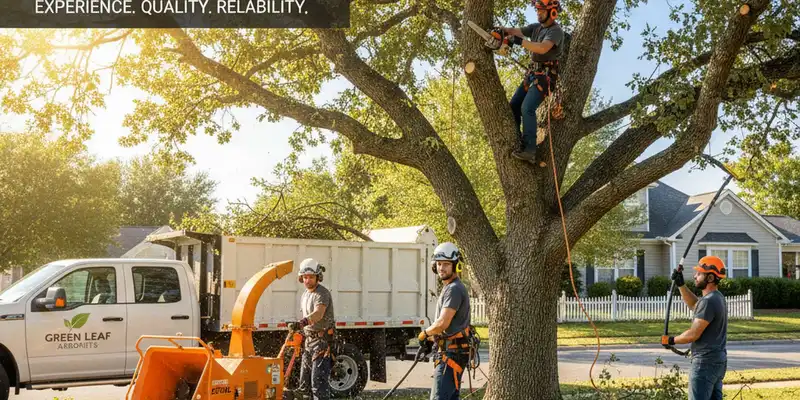
Johns Island brings together working farmland, gated waterfront neighborhoods, and wide rural homesites, creating one of the Charleston area’s most varied landscapes. Oversized lots, unpaved driveways, and mature live oak canopies can make routine property upkeep more complex. The tree care professionals in Charleston in this network know how to assess structural tree risk, address tidal flood pressure on root systems, and clear dense canopy growth so coastal properties stay accessible and well maintained.
That is why so many Johns Island property owners turn to Arbor Tree Care for dependable, year-round service.

Prefer to Talk to An Expert?
(843) 779-8929
Why Johns Island Property Owners Choose Local Professionals
Crews familiar with the island understand the spread-out lot layouts, moisture-stressed live oaks, and low-elevation drainage challenges that shape every job here. They match each project with equipment and methods suited to Johns Island conditions, including tidal flooding impacts, salt air exposure on bark, and the narrow unpaved access lanes common throughout the area.
From professional tree pruning solutions near Bohicket Road by the Kiawah Island gateway to reliable stump removal services on rural parcels off River Road, each job is completed with care, precision, and long-term property access in mind.
If you care about your property, count on local contractors to help keep your trees healthy, your lanes open, and your land safer in Johns Island.
Our Tree-Service Services
in Charleston, SC, Include
Tree Services Built for Johns Island Neighborhoods
The island’s rural layouts and limited paved access call for tree services that are tailored, not generic. Local professionals bring a custom approach to every overgrown easement, waterfront buffer, and aging tree stand.
Whether the property is a historic farmstead along the Stono River corridor, a newer home in Stonoview, or a waterfront estate near Bohicket Marina, the work is adjusted to fit the site.
From tree trimming and tree removal to landscaping and storm damage response, every service is shaped around the neighborhood and the needs of the property.
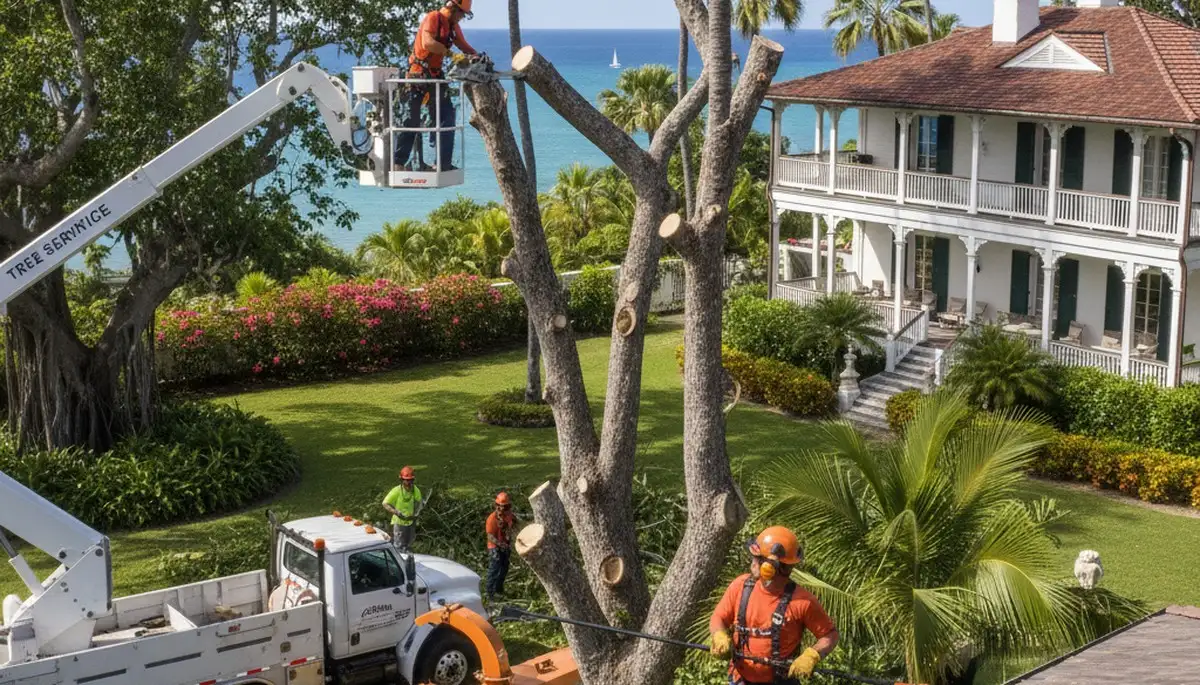
Johns Island’s Historic Canopy and Coastal Tree Conditions
As one of South Carolina’s oldest settled islands, Johns Island has been shaped by plantation-era agriculture, coastal growth, and conservation efforts. Those layers of history still show up in the mature live oak roots, old drainage patterns, and boundary tree lines that influence how tree care is performed today.
Aging Live Oak Canopy and Structural Decline
Many Johns Island properties, especially along River Road and Maybank Highway, support live oaks that have gone unmanaged for decades. Their heavy limbs can stretch over roofs and driveways, increasing structural load concerns and limiting access for residents and emergency vehicles.
Local professionals address weakened canopy structure with targeted crown reduction, deadwood removal, and weight-balancing cuts to help reduce long-term access problems and protect the space below.
Tidal Flooding and Root Stress
The island’s closeness to the Stono and Kiawah rivers adds scenic value, but it also means root zones are often exposed to repeated soil saturation. When water remains in the ground too long, roots can lose oxygen and become more vulnerable to decay near the root collar.
Professionals approach these sites with drainage evaluation, targeted tree disease treatments, and selective canopy thinning designed for saturated soil and low-lying conditions.
Salt Air Exposure Along Coastal Corridors
Years of salt-heavy wind can leave trees along Bohicket Road and Kiawah Island Parkway with stressed leaf tissue and bark damage.
Trusted crews support these trees with tree fertilizing programs, protective canopy management, and bark health monitoring to help maintain vigor and reduce storm-related weakness.
Hurricane Season Wind and Storm Damage
Atlantic hurricane season can bring long wind events and storm surge that damage limbs, uproot shallow-rooted trees, and block rural access lanes.
Experienced teams use pre-storm crown thinning, structural cabling evaluations, and post-storm debris removal to keep properties accessible during severe coastal weather.
Narrow Rural Access Lanes and Equipment Limits
Unpaved easements and single-lane gravel drives are common on Johns Island, so large equipment has to be planned around site conditions.
Local crews rely on compact aerial lifts and hand-climb rigging methods that protect the canopy and minimize surface disruption, allowing tree work to be completed safely on more properties.
For help keeping your Johns Island property in good shape all year, request a free quote from a local professional by calling (843) 779-8929.
Every property deserves safe access. Let Arbor Tree Care help you maintain it!

Kick off your tree service project today!
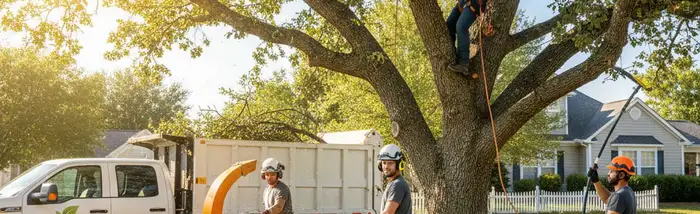
Tree Services in Johns Island, SC: Seasonal Care for Every Property
From routine pruning to urgent storm cleanup, local professionals help keep Johns Island properties clear, stable, and protected through every season:
Routine Tree Trimming and Pruning in Johns Island, SC
- Live Oak Crown Reduction on Maybank Highway Estates: Seasonal trimming helps control wide limb spread over driveways and rooftops on large residential lots along one of Johns Island’s main roads.
- Canopy Thinning for Coastal Wind Resistance: Reducing interior density on Bohicket Road properties can improve wind response before Atlantic storm season, especially on waterfront lots.
- Structural Pruning on Young Plantation-Area Hardwoods: Early directional pruning on developing trees in communities like Stonoview helps build healthier branch structure before problems take hold. For properties across the wider region, tree trimming services in Wadmalaw Island, SC follow similar coastal canopy management principles.
- Deadwood Removal from Salt-Stressed Canopies: Removing brittle branches damaged by salt exposure lowers hazard risk and supports better canopy condition across waterfront properties.
- Seasonal Clearance of Tree Limbs Over Outbuildings: Farm and equestrian properties in the River Road area often need periodic trimming to keep barns, sheds, and storage structures clear of overhead limbs.
Book seasonal trimming before storm season begins to help lower wind-related risk across your Johns Island canopy.
Tree Removal Services in Johns Island, SC
- Hazardous Tree Removal Near Stono River Waterfront Properties: Trees weakened by repeated flooding and saturated roots near the Stono River corridor are evaluated and removed before failure creates access problems.
- Storm-Damaged Tree Removal After Hurricane Events: After major wind events, crews remove split or uprooted trees from rural Johns Island properties so driveways and outbuildings can be used safely again.
- Dead Tree Removal from Farmland Buffer Zones: Standing dead trees along agricultural edges throughout Johns Island are removed to reduce falling hazards near fencing and equipment routes.
- Invasive Tree Species Removal from Natural Buffer Areas: Non-native trees spreading into native corridors near Burden Creek and surrounding wetland buffers are selectively removed to help protect the local landscape.
- Tree Removal for New Construction Clearance in Developing Communities: As growth continues in areas like Rushland Landing, selective removal can open building sites while preserving mature specimen trees when conditions allow.
Taking out compromised trees before storm season can help lower emergency costs and protect structures across Johns Island’s rural and waterfront properties.
Stump Grinding and Cleanup in Johns Island, SC
- Stump Grinding on Unpaved Rural Driveways: Stumps left beside gravel access lanes on larger Johns Island tracts are ground below grade to restore smooth, safer vehicle travel without disturbing nearby soil.
- Post-Removal Cleanup on Farmland and Equestrian Properties: After tree removal on working land, full debris hauling and stump grinding can return the property to usable condition for equipment and livestock access.
- Root Flare Grinding Near Foundation Edges: Stumps close to residential foundations in communities like Kiawah River Estates are carefully ground down to reduce the risk of decay affecting surrounding structures. Nearby communities face similar concerns, and tree removal contractors in Hollywood, SC handle comparable stump and root removal work in that area.
- Wetland-Adjacent Stump Removal with Minimal Soil Disturbance: Properties near tidal wetlands and marsh edges call for low-impact grinding methods that limit sediment movement and protect nearby vegetation buffers.
- Debris Hauling and Site Restoration After Stump Grinding: Complete cleanup after grinding, including chip removal and surface leveling, leaves Johns Island properties clean, functional, and easy to access.
Prompt stump removal helps limit fungal decay in surrounding soil while reducing trip hazards and equipment issues across Johns Island’s varied properties.
Emergency Tree Services in Johns Island, SC
- 24-Hour Storm Response for Fallen Trees Blocking Rural Access Lanes: When Atlantic storms drop trees across unpaved driveways and easements, emergency crews clear the blockage and restore safe access.
- Emergency Limb Removal from Damaged Rooftops and Structures: After strong winds, rapid-response teams remove fallen limbs from roofs, porches, and outbuildings throughout Johns Island.
- Urgent Hazard Tree Assessment Following Flood Events: Storm surge and heavy rain can destabilize trees even when they look healthy, so immediate inspection is often needed after flooding.
- Emergency Canopy Clearance for Utility and Road Access Restoration: Storm-felled trees blocking Bohicket Road, River Road, and other main corridors are removed quickly to reopen utility access and emergency routes.
- Post-Hurricane Debris Removal and Site Stabilization: After major storms, debris clearing and damaged tree removal help property owners start recovery sooner and reduce additional safety risks.
Fast emergency response across Johns Island’s rural and coastal corridors helps keep storm damage from turning into a longer safety or access problem.