logo
Tap to call now
Call Now(843) 779-8929

Root Protection for Charleston Trees Dealing With Wet Soils, Shallow Roots, and Coastal Pressure

Helping Charleston trees stay strong and stable with root protection designed for salt exposure, storm seasons, and difficult soil conditions.

Request a free quote or call us now!

Protecting What Happens Underground With Local Root Care

Across Mount Pleasant, North Charleston, and Hanahan, many property owners do not notice root problems until a tree begins to lean, thin out, or decline. In Charleston’s heavy, moisture-rich soils, root systems can be stressed by compaction, flooding, and nearby construction long before the canopy shows clear warning signs. As tree care professionals in Charleston, we know how to protect roots before that hidden damage spreads. Pairing root protection with expert tree pruning supports tree health from the crown all the way down to the root zone.

In places like Johns Island, Wadmalaw Island, and Sullivans Island, roots are also exposed to salt air, tidal flooding, and sandy soils that compact easily and drain unpredictably under traffic or equipment. Hollywood and Charleston Afb properties often feature mature trees with root systems that stretch far beyond the visible canopy, which makes grading, paving, and landscaping work especially risky. Early root care is one of the most dependable ways to preserve shade, stability, and long-term tree health. When root protection is combined with professional tree fertilizing, trees get both the support and nourishment they need to recover and continue growing.
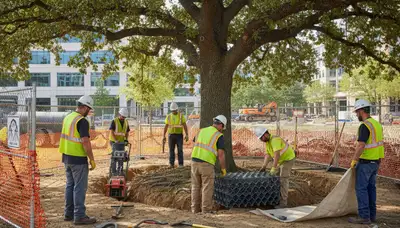
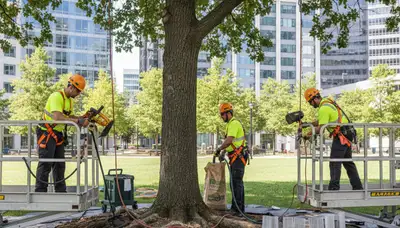
Charleston SC arborist protecting tree roots with root care serviceRoot protection service for trees in Charleston, SC to support healthy roots and stability

What service are you looking for?
Expert

Prefer to Talk to An Expert?

(843) 779-8929

Services Local Tree Specialists Use to Protect the Root Zone

Root protection includes a set of focused services designed to reduce the pressures Charleston’s climate and soils place on trees throughout the year.

Root Zone Assessment and Soil Decompaction

Compacted soil is a major source of root stress on properties in North Charleston and Mount Pleasant, especially where clay-heavy ground or frequent foot traffic limits airflow. Aerating and loosening the soil around the root zone improves oxygen exchange and water movement so roots can spread and anchor more effectively.

Get Free Estimate

Construction and Excavation Root Barriers

When remodeling or utility work brings equipment close to established trees in areas like Hanahan and Johns Island, root barriers help shield the critical root zone from mechanical injury. Installing fencing and protective barriers before work starts helps prevent root cuts that can lead to slow decline later. This service pairs well with reliable tree disease treatments when construction stress opens the door to infections.

Request Inspection

Mulching and Root Zone Coverage

A correctly applied mulch layer helps regulate soil temperature, hold moisture during Charleston’s dry stretches, and reduce compaction from rainfall. Properties in Hollywood and Wadmalaw Island often gain the most from steady mulching because sandy soils in those areas can dry out quickly and lose structure easily.

Get Free Estimate

Root Collar Excavation and Girdling Root Removal

Girdling roots circle the trunk base and gradually cut off water and nutrient flow, a problem often seen in older landscape trees across Sullivans Island and Charleston Afb. Exposing and removing these roots before they cause lasting harm requires careful, precise work that supports the tree’s long-term stability. This service also works well with quality insect management, since weakened roots can make trees more vulnerable to boring insects.

Request Inspection


Our Tree-Service Services
in Charleston, SC, Include


Year-Round Root Protection for Charleston Properties

Charleston’s weather creates different root stress points in every season, so ongoing care helps trees stay balanced through changing conditions.

Charleston, SC, Root Protection for Regular Service

Routine root zone checkups during the growing season help identify early signs of compaction, drought stress, and exposed surface roots before they become larger issues. Properties in Mount Pleasant and North Charleston with mature oak and magnolia trees benefit from seasonal monitoring that keeps the soil environment healthier and more stable.

Schedule Regular Service Root Protection

Charleston, SC, Root Protection for Intensive Service

After major storms or long periods of heavy rain, root systems in low-lying parts of Johns Island and Wadmalaw Island can suffer from poor oxygen flow and shifting soil. Intensive root care may include soil remediation, targeted aeration, and structural support to help stabilize trees that have moved. Coordinating this work with professional storm damage response addresses both the underground and visible effects of severe weather.

Schedule Intensive Service Root Protection

Charleston, SC, Root Protection for Maintenance Service

Winter and early spring are often the best times for maintenance root work across properties in Hanahan and Hollywood, when dormant trees can be serviced with less disruption to active growth. Refreshing mulch, inspecting the root collar, and testing soil conditions during this season helps prepare trees for stronger spring growth.

Schedule Maintenance Service Root Protection

Charleston, SC, Emergency Root Protection

Unexpected root exposure from erosion, heavy rain runoff, or accidental excavation can place a tree in immediate danger. Serving properties across Sullivans Island, Charleston Afb, and nearby communities, the team responds quickly to emergency root issues to stabilize the tree, protect exposed roots, and reduce the risk of further structural damage.

Schedule Emergency Root Protection
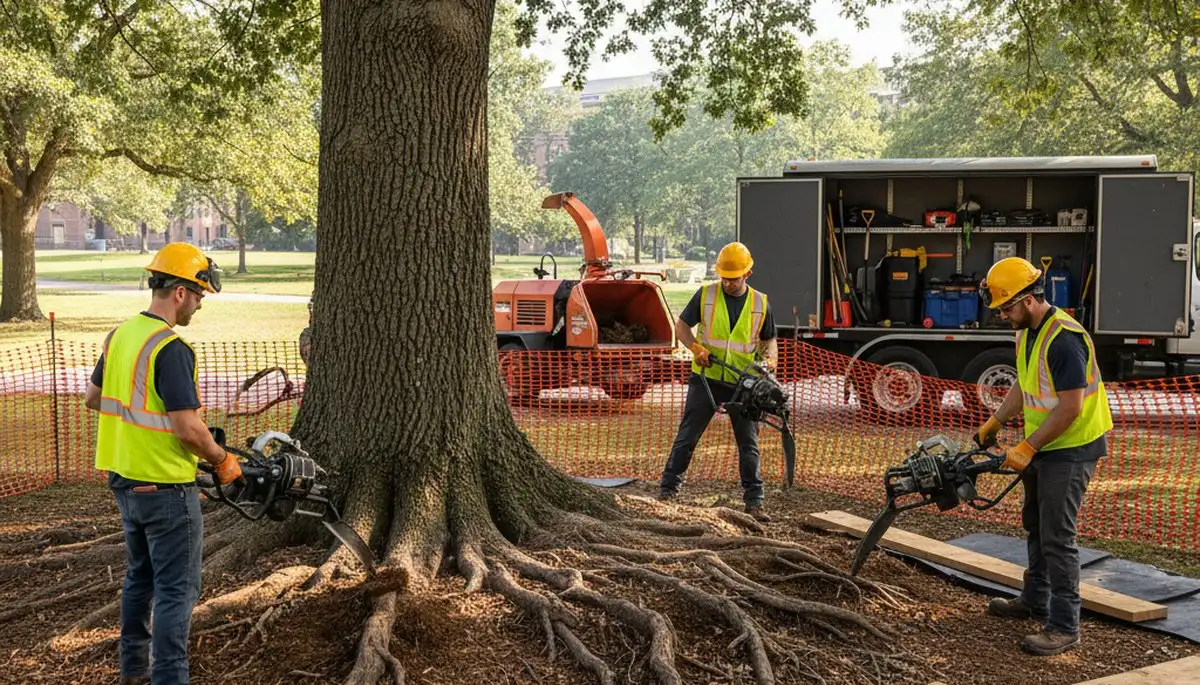
Root protection service in Charleston, SC to support healthy tree roots and coastal tree care

Get Started on Your Tree Care Plan Today

Experienced local arborists are here to help.

Find dependable tree service contractors in Charleston for your next home project.

Free project estimates
Checked local professionals
Quick responses from contractors

See What Charleston Property Owners Say About Getting Help From Local Tree Services

Browse real feedback from Charleston property owners who used Arbor Tree Care to find dependable local tree care professionals.

Arbor Tree Care matched us with a contractor who knew how to work around the tight access on our lot near the Peninsula. The stump is completely gone, and the whole experience was worth it.

Carlos W.

Before removing a drought-stressed tree in our West Ashley backyard, we wanted to compare pricing first. Arbor Tree Care connected us with a local contractor who offered a fair quote and completed the work neatly. The yard looks fantastic now.

Keisha B.

When spring storms affected our older home in Wagener Terrace, I didn’t know where to begin. Arbor Tree Care made it simple to compare local providers, and the team we selected handled two overgrown trees along the fence line. I’m glad I reached out.

Priya N.

After a storm hit our large oak in Avondale, Arbor Tree Care gave us three quotes quickly. The company we hired took care of everything that same day, and we were very happy with the result.

Marcus T.

Locate Tree Care Services in Charleston, SC and Nearby Areas

Whether you're on the quieter roads of Wadmalaw Island, in the long-established neighborhoods of Hanahan, or in the expanding waterfront communities of Mount Pleasant, Arbor Tree Care connects property owners across Greater Charleston with experienced tree care professionals. No matter the location, reliable local support is close by.

Charleston, SC Tree Service by ZIP Code

Arbor Tree Care helps connect property owners throughout the Greater Charleston area with dependable local tree care professionals.

  • Downtown Charleston, SC (29403)
  • South of Broad, SC (29401)
  • North Central Charleston, SC (29405)
  • West Ashley, SC (29407)
  • James Island, SC (29412)
  • Johns Island, SC (29455)
  • Daniel Island, SC (29492)
  • Mount Pleasant, SC (29464)
  • North Mount Pleasant, SC (29466)
  • North Charleston, SC (29406)
  • Hanahan, SC (29410)
  • Goose Creek, SC (29445)
  • Summerville, SC (29483)
  • Ladson, SC (29456)
  • Moncks Corner, SC (29461)
  • Summerville North, SC (29485)
  • Hollywood, SC (29449)
  • Ravenel, SC (29470)
  • Folly Beach, SC (29439)
  • Sullivan's Island, SC (29482)
  • Isle of Palms, SC (29451)
  • Awendaw, SC (29429)
  • McClellanville, SC (29458)
  • Lincolnville, SC (29485)
  • Ridgeville, SC (29472)
  • Jedburg, SC (29486)
  • Cottageville, SC (29435)
  • Walterboro, SC (29488)
What service are you looking for?
Expert

Prefer to Talk to An Expert?

(843) 779-8929

Charleston Tree Service FAQs: Trimming, Removal, Pruning, and Stump Grinding

If you own property in Charleston, tree care can be affected by humidity, storms, and coastal soils. These FAQs cover common questions about upkeep, pricing, and the best approach for your trees.

  • Salt exposure, heavy humidity, and long wet stretches in Charleston can speed up fungal decay, root problems, and bark disease. Trees such as live oaks, palmettos, and loblolly pines near the coast can be hit especially hard. A yearly inspection is a practical way to spot early decline before branches become unsafe, especially after hurricane season ends in the fall.

  • Across Charleston, SC, property owners often need canopy trimming to control overgrowth, pruning to remove dead limbs and lower storm risk, complete tree removal after hurricane damage, and stump grinding to reopen usable yard space. Cleanup after tropical storms is also common, especially on Johns Island, Wadmalaw Island, and other low-lying areas where debris builds up quickly after heavy rain.

  • Yes, healthy and well-kept trees can strengthen curb appeal in Charleston's competitive housing market. Buyers in areas like Mount Pleasant and Sullivans Island often value mature canopies that look cared for. Trees that are neglected or unsafe can have the opposite effect, creating appraisal concerns and liability issues that may complicate a sale or insurance renewal.

  • Make sure the company can show liability insurance, a current South Carolina contractor license, and a track record of working in Charleston's coastal environment. A crew that understands Lowcountry soil, tidal flooding areas, and the region's common tree species is better prepared to decide what should be trimmed, removed, or preserved on your property.

  • Ask if the crew has handled hurricane-damaged trees, whether any permits are needed for the job, how debris will be removed from tight lots, and if stump grinding is included or priced separately. It is also wise to confirm workers compensation coverage, since tree work in Charleston's crowded neighborhoods can pose real risks to crews and nearby homes.

  • Four areas often stand out. On Johns Island, large live oaks may grow close to older structures where equipment access is limited. Wadmalaw Island frequently deals with root stress from tidal soil saturation. North Charleston properties near Charleston AFB can have compacted urban soil that weakens root systems. In Hanahan, dense pine canopies often create major storm debris concerns.

  • The most efficient approach is to prune before hurricane season, remove dead limbs early before they turn into bigger jobs, grind stumps soon to limit pest problems, and combine several trees into one visit so the work is handled more efficiently across your Charleston property.

  • Use mulch around the root zone to hold moisture, avoid compacting soil near the trunk, prune crossing branches once a year, watch for fungus after extended wet weather, and have mature trees evaluated after any major tropical storm system passes through the Charleston, SC area.

  • Charleston does have tree removal rules, and permit requirements can change based on tree size, species, and whether the property is inside a protected canopy zone. Hollywood and unincorporated parts of Charleston County may follow different rules than the City of Charleston. Checking with the local planning department before removal can help avoid fines and delays.

  • For most trees in Charleston, late winter into early spring is the best time to prune before new growth starts. Trimming before June can also reduce exposure to peak humidity and fungal pressure while cuts heal. Heavy pruning is best avoided right before or during hurricane season, when trees need their full strength to withstand strong coastal winds.

Charleston, SC tree service hero image for professional tree removal, trimming, and care

Arbor Tree Care Professional Tree Services

Arbor Tree Care provides homeowners with reliable tree trimming, pruning, removal, and stump grinding tailored to each property. Based in Charleston, SC and serving the surrounding area, the team delivers careful, consistent service for a wide range of tree care needs.

Request a free quote or call us now!